Lot Development in Northern California
Available 24 hours, 7 days a week - no job too large.
Lee One Construction is a licensed excavation and septic contractor serving Anderson, Redding, and Northern California since 2020, with 25 years of hands-on field experience handling full lot development from raw parcel to build-ready pad - CSLB #1063228. Lot development is the full scope of ground-up site preparation work a landowner must complete before a building permit can be issued and construction can begin.
Lot development in Northern California covers vegetation clearing and grubbing, cut-and-fill grading to create a level or appropriately sloped pad, percolation and soil testing, septic system design and permit coordination with the county, utility trenching for water, electrical conduit, and sewer or septic laterals, drainage infrastructure, and final finish grading. The terrain across Shasta County and the surrounding foothill corridor adds variables - clay soils, decomposed granite, steep grade changes, and wildland interface requirements - that compound each other when work is not sequenced by a contractor who has seen them before. Every phase depends on the one before it, and a delay or error in any step ripples forward through the entire project timeline.
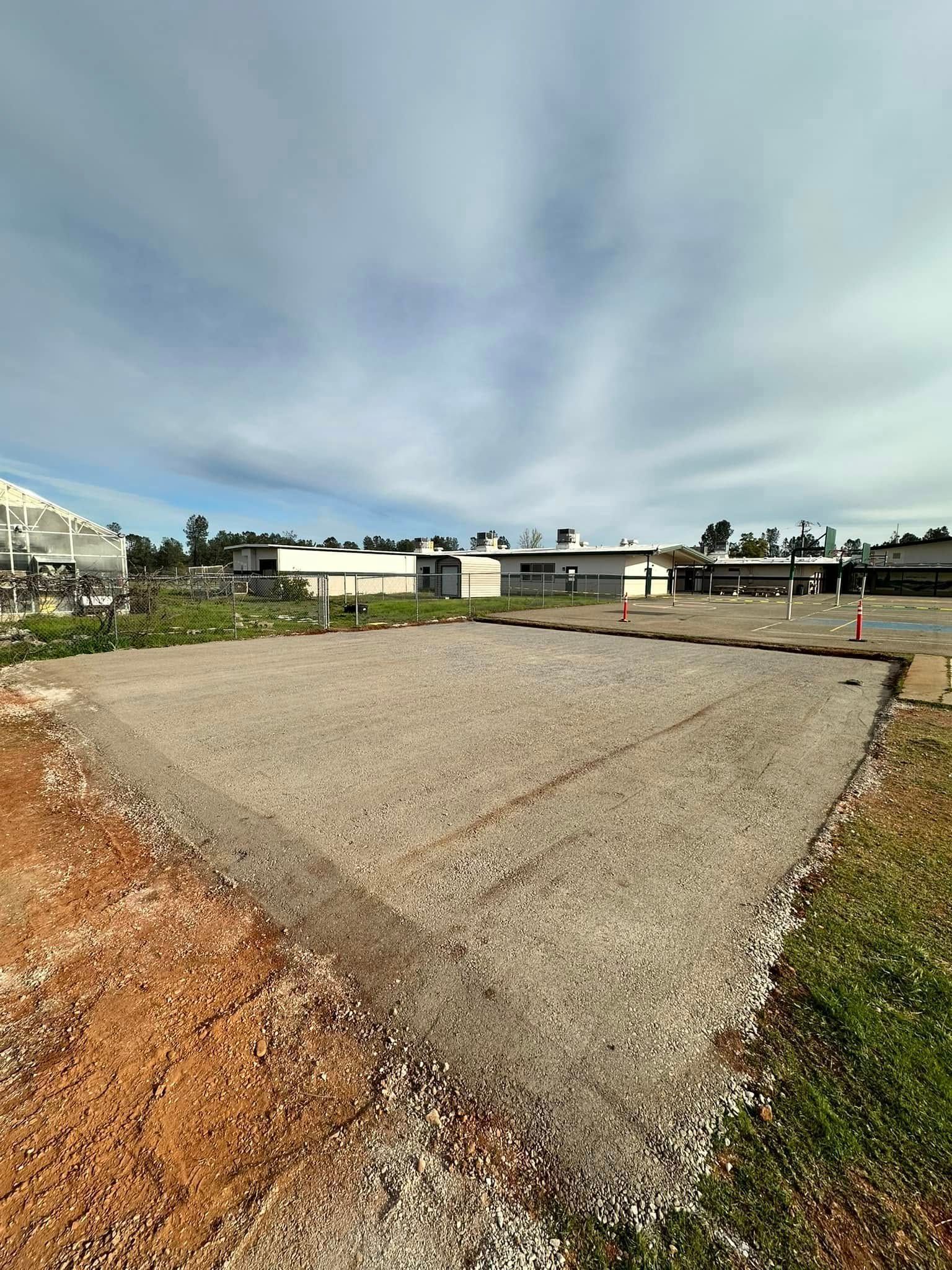
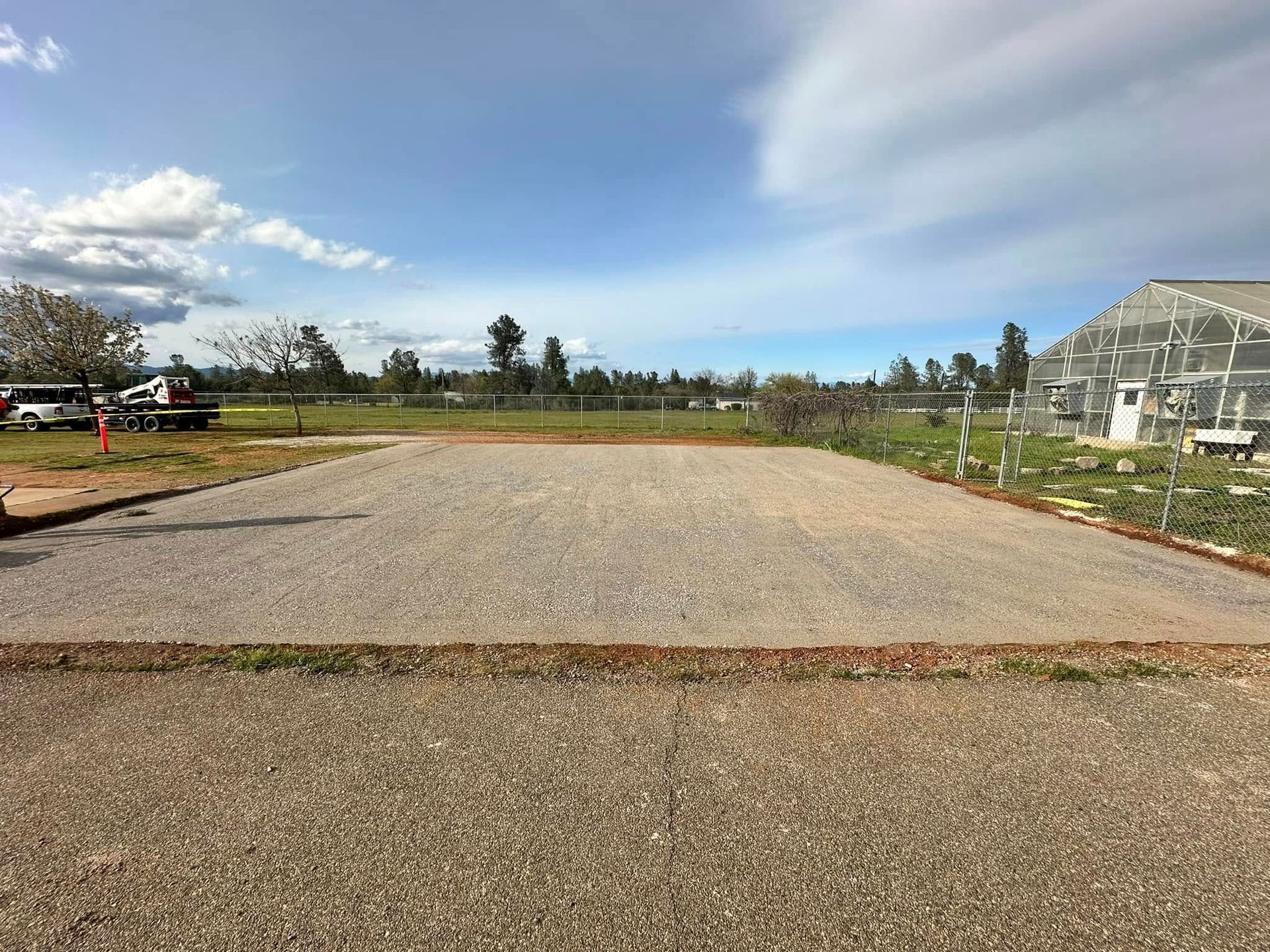
When separate grading, septic, trenching, and drainage contractors each schedule independently, sequencing gaps, permit conflicts, and site access problems push timelines out by weeks and inflate cost. A grading contractor who finishes and leaves before the septic engineer has visited the site creates rework. A trenching crew that hasn't seen the final drainage plan cuts in the wrong location. Lee One Construction handles every phase under one contract, one crew, and one schedule - eliminating the gaps that cost landowners time and money. The next section walks through each step in the development sequence so you know exactly what to expect from first site visit to final grade.
The Full Lot Development Process - From Raw Land to Build-Ready Pad
Step 1 - Site Assessment and Survey
Before any equipment moves, the parcel is walked and assessed for access routes, slope, natural drainage patterns, soil indicators, and setback constraints. A site constraint discovered after mobilisation - a buried rock shelf, a drainage channel in the wrong place, a setback that changes the pad location - stalls equipment, creates rework, and adds cost that is difficult to recover. The site assessment is how we price the project correctly and sequence the work without surprises.
Step 2 - Clearing and Grubbing
Vegetation, stumps, brush, and surface debris are removed to expose workable soil and establish a clean work surface for grading equipment. In Shasta County and the foothill terrain above Redding, this step also addresses CAL FIRE defensible space compliance requirements for parcels within the State Responsibility Area - Zone 1 and Zone 2 clearance distances are built into the clearing scope so the work is done once and done correctly before the building permit is applied for.
Step 3 - Cut-and-Fill Grading
Raw parcels rarely arrive with a flat or properly sloped building surface. Material is cut from high areas and redistributed into low areas to create the building pad and establish drainage fall away from the structure footprint. Over-cutting or under-compacting fill material are the two most common grading errors on foothill lots, and both create foundation settlement problems years after construction is complete. Getting the cut-and-fill sequence right the first time is the most consequential decision in the entire lot development project.
Step 4 - Perc and Soil Testing
Shasta County Environmental Health requires a passing percolation test before any septic system permit is issued. Testing is conducted after clearing and initial grading so the results reflect the final lot conditions that the system will actually operate in, not pre-grading topsoil conditions. Learn more about how we handle perc and soil testing on parcels across Northern California.
Step 5 - Septic System Design and Permit Application
Once perc results are filed with the county, Lee One Construction prepares the engineered system design and submits the septic system permit application to Shasta County Environmental Health on the client's behalf. Permit delays caused by incomplete applications or missing test data are the single most common reason lot development timelines slip past the initial estimate - we handle submission correctly the first time to keep the project moving.
Step 6 - Utility Trenching
Trenches are cut for water supply lines, electrical conduit, gas service, and communications infrastructure. In Northern California foothills terrain, rocky substrate and decomposed granite frequently require larger equipment and longer production time than contractors working valley-floor jobs estimate. Hiring an experienced local crew for trenching means the equipment bid matches the actual soil conditions on your specific parcel - not a generic regional average.
Step 7 - Drainage Installation
Northern California's seasonal rainfall patterns mean drainage infrastructure is not optional on hillside or valley-edge parcels. Surface and subsurface drainage channels, swales, and perforated pipe systems must be installed before final grading to protect the building pad and the utilities beneath it. Retrofitting drainage after construction is significantly more expensive than incorporating it correctly during lot development. Learn about our drainage solutions for Northern California properties.
Step 8 - Final Grading and Site Preparation
Finish grading brings the pad to final design elevation, confirms positive drainage away from the building footprint on all sides, and prepares the site surface for the general contractor's mobilisation. This is the deliverable that converts the client's raw land investment into a build-ready asset - the point at which a general contractor can schedule their crew and begin construction without waiting on site work to be resolved.
What Shasta County Lot Development Actually Requires
Two primary county agencies govern lot development in Shasta County: the Department of Resource Management handles grading permits and land use approvals, while Environmental Health administers septic system permits and perc test filing. Utility connection approvals are handled separately through the relevant service provider or district. These are three separate processes with three separate review timelines, and they must be sequenced correctly - a grading permit applied for before the septic system design is filed can create conflicts that require re-review. A contractor who has navigated both offices before knows the submission order, the documentation format each reviewer expects, and which items generate a request for additional information on a first-pass review.
Lot Development Questions Northern California Landowners Ask Most
Every lot is different these are the questions Lee One Construction hears most often from landowners and developers across Northern California before work begins.
How long does it take to prepare a raw lot for construction in Shasta County?
Most residential lot development projects in Shasta County take four to ten weeks from first site visit to build-ready pad, depending on parcel size, soil conditions, permit timelines, and whether a septic system is required. Lee One Construction manages the full sequence, grading, testing, permitting, and utilities; so you don't lose weeks coordinating between separate contractors.
What permits are required before I can build on raw land in Northern California?
In Shasta County, most new builds require a grading permit from the Department of Resource Management, a septic system permit from Environmental Health (if no municipal sewer is available), and individual utility connection approvals. Lee One Construction handles the permit applications for grading, septic design, and utility work, and coordinates submission timing to keep the project moving.
Does Lee One Construction handle the entire lot development process or just part of it?
Lee One Construction handles the complete scope of lot development - clearing and grubbing, cut-and-fill grading, perc testing, septic permit application and installation, utility trenching, drainage installation, and final grading. Property owners in Northern California work with one crew, one point of contact, and one invoice rather than managing a chain of separate contractors.
What should a raw land buyer do before breaking ground in Shasta County?
Before any equipment moves, have a licensed contractor walk the parcel with you. A site assessment will identify soil conditions, drainage patterns, setback constraints, and utility access points that affect project cost and timeline. Lee One Construction offers no-obligation site assessments for landowners planning lot development across Northern California - call 530-227-3478 to schedule one.
What makes lot development more expensive on Northern California foothill properties?
Rocky and decomposed-granite soils common in the Shasta County foothills require heavier equipment and more time to excavate than flat valley-floor lots. Wildland interface parcels also require defensible space clearing as a condition of the building permit. Identifying these factors during the initial site assessment prevents mid-project cost surprises.
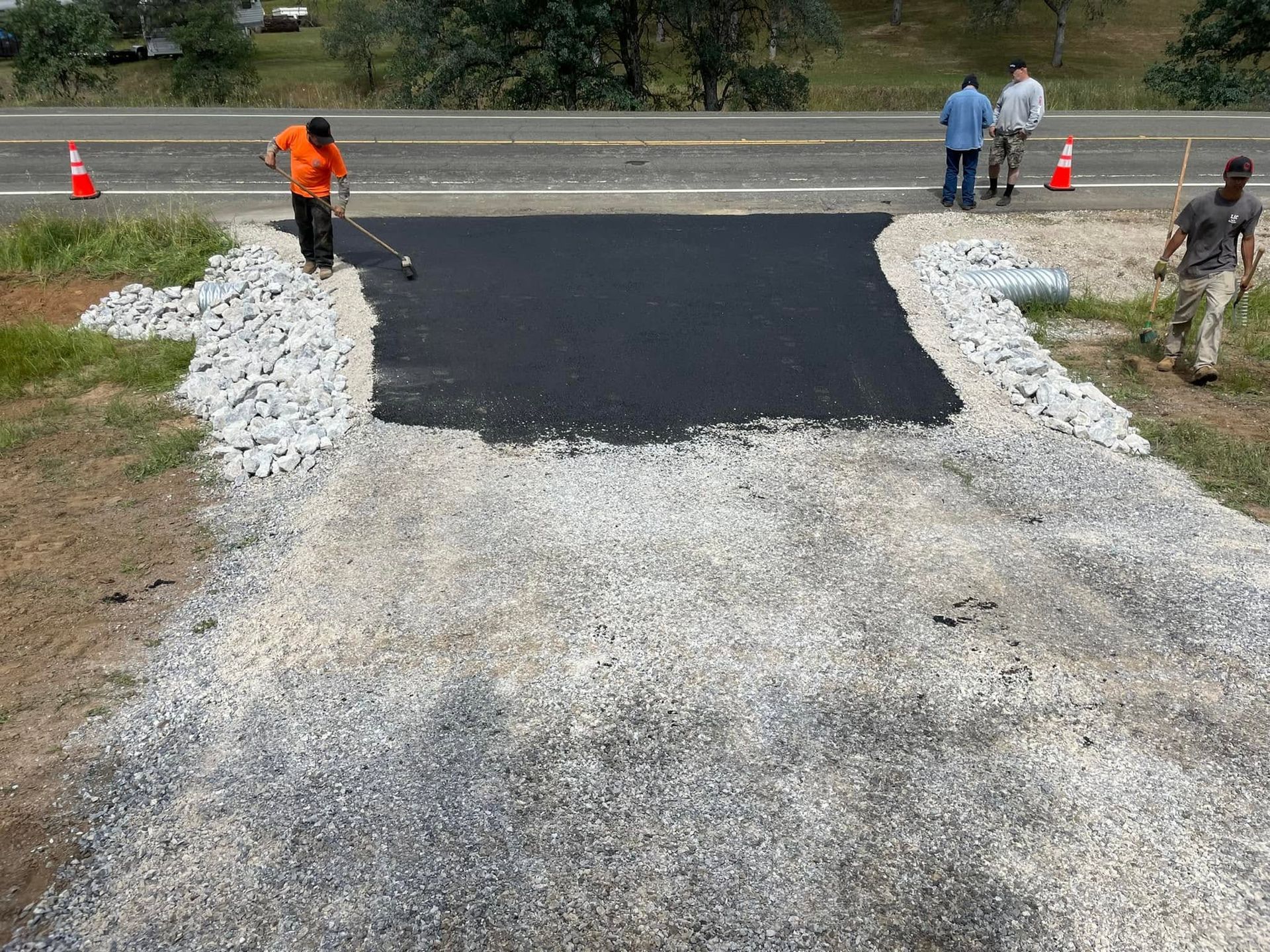
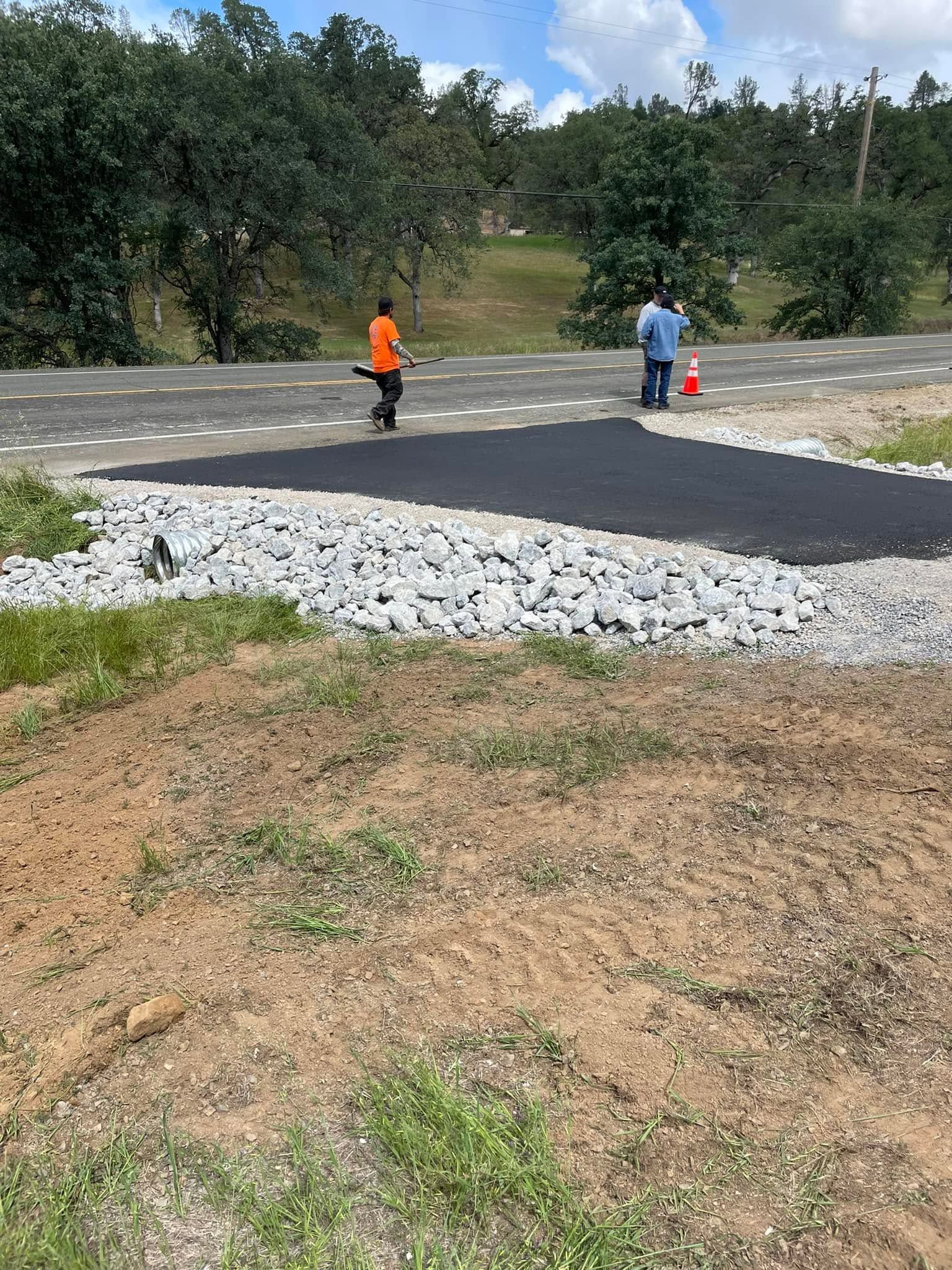
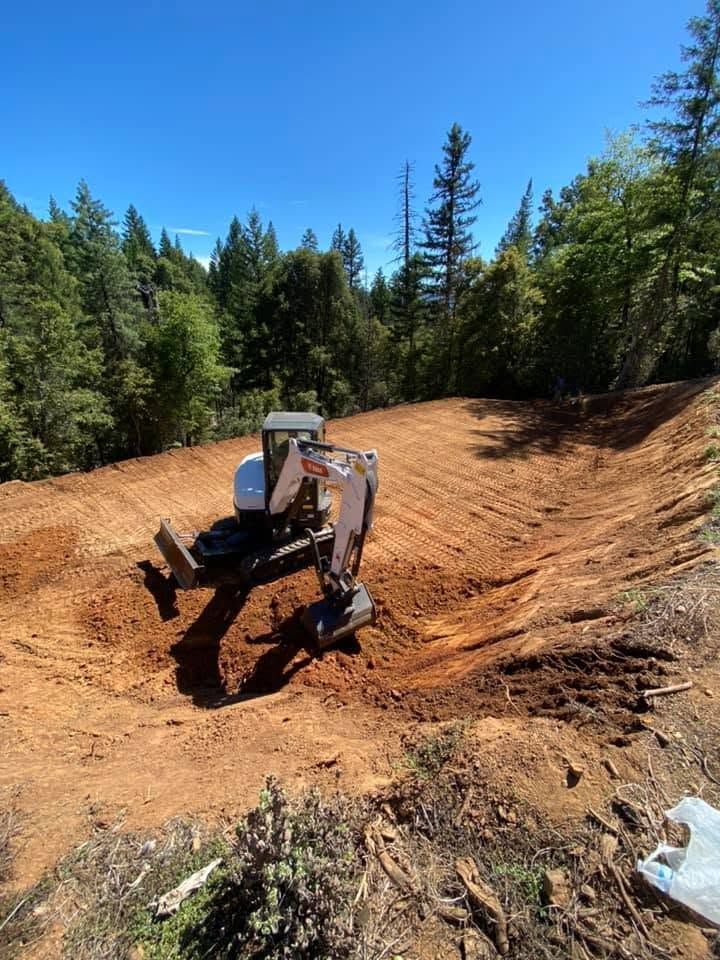
One Crew Handles Your Entire Northern California Lot Development Project
From raw parcel to build-ready pad, Lee One Construction manages clearing, grading, perc testing, permitting, utility trenching, drainage, and final grade across Northern California - available 24 hours a day, seven days a week.
Licensed and insured: CSLB #1063228. Based in Anderson, CA. Serving the full Northern California region.