Sewer Lateral Connection, Northern California
CSLB Licensed #1063228 · Anderson, CA · 530-227-3478
A Sewer Lateral Connection Puts Your Property on City Sewer
Lee One Construction is a licensed excavation contractor serving Anderson, California and Northern California since 2020, with 25 years of hands-on experience performing sewer lateral connections for residential and commercial properties across Shasta County and surrounding regions.
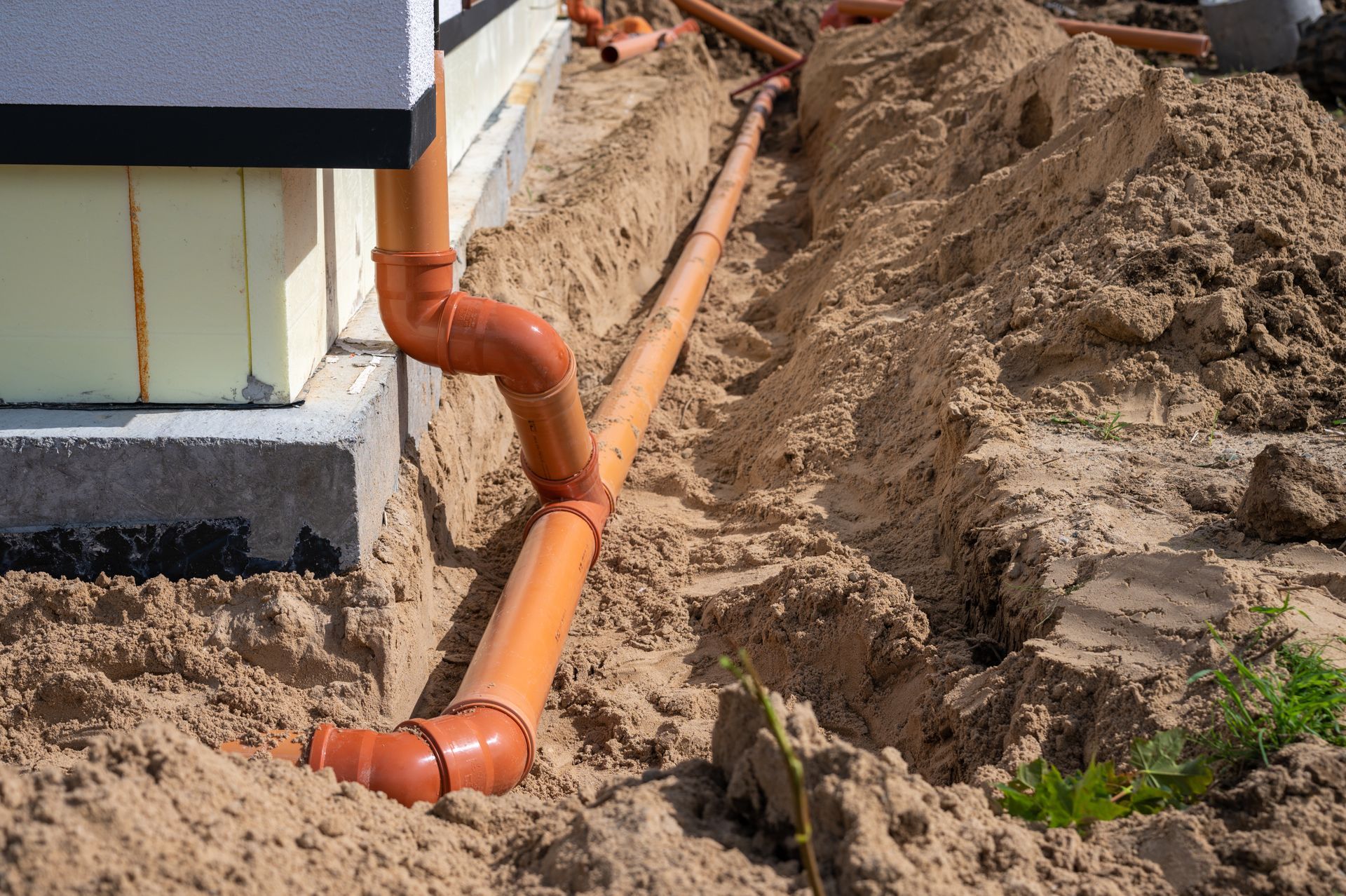
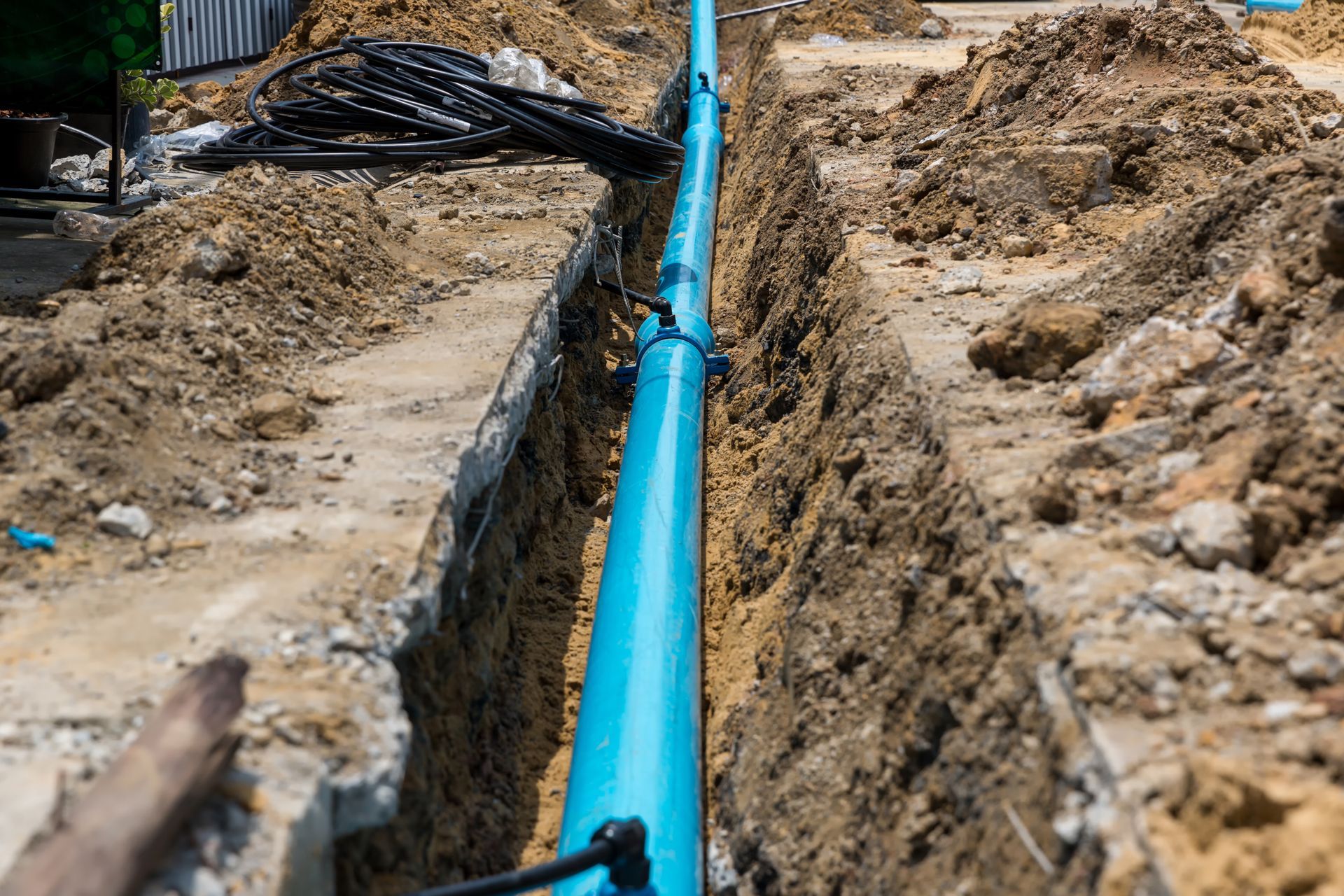
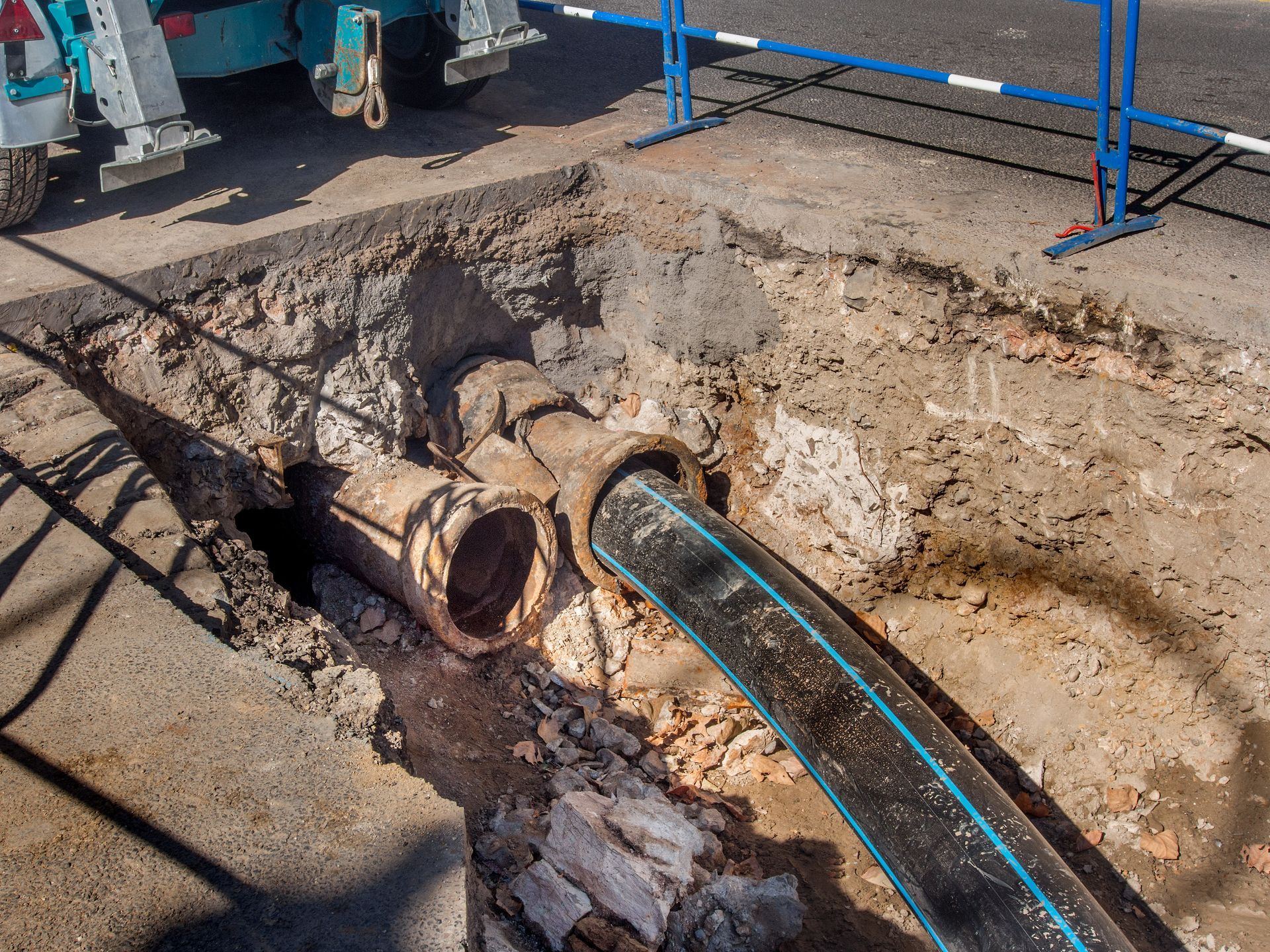
A sewer lateral connection is the underground pipe that runs from a property's plumbing system to the public sewer main in the street. We excavate the trench, install the pipe to the required grade and slope, make the physical tie-in at the main, and coordinate every inspection step with the local sewer district. The lateral has to be sized, sloped, and sealed correctly the first time. A poorly installed lateral backs up, leaks, and creates liability.
Three situations require a sewer lateral connection:
- New construction connecting to municipal sewer for the first time. If you're building a new structure in a municipality with an active sewer system, the lateral has to be in before the sewer district signs off. No lateral, no certificate of occupancy.
- Septic system decommissioning. When a property transitions from septic to city sewer, the old system must be properly abandoned and filled in accordance with county regulations. The new lateral gets installed to code at the same time. The property can't legally discharge wastewater to a decommissioned septic tank.
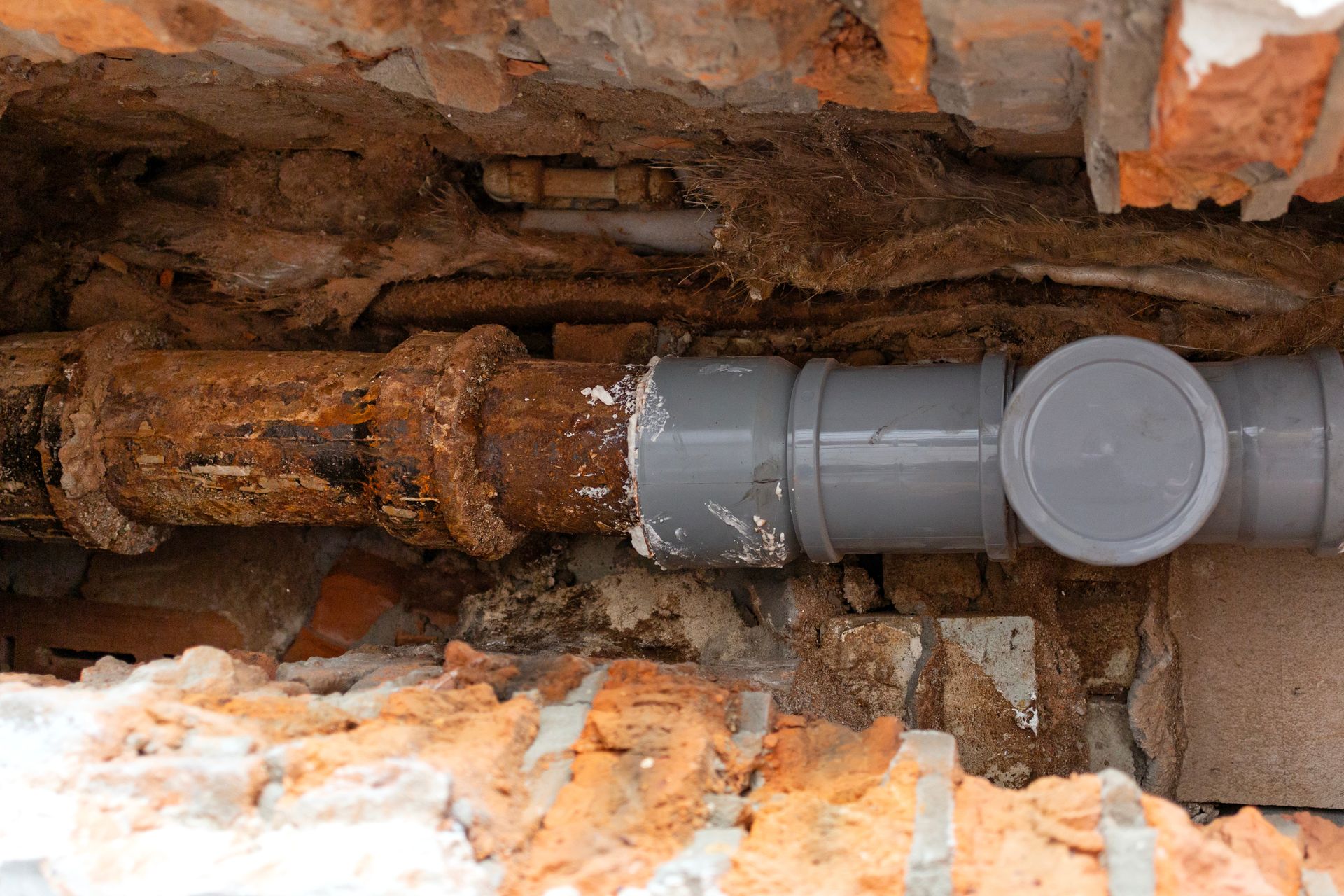
- Failed or damaged lateral replacement. A cracked pipe, root infiltration, or collapsed section means the lateral is no longer conveying waste to the main. That causes sewage backup into the structure and environmental liability for the property owner. Patching isn't a code-compliant remedy. The lateral has to come out and a new one goes in.
Every one of these scenarios means the property can't function safely or legally until the connection is made and inspected. This isn't a job with a workaround option.
How a Sewer Lateral Connection Gets Done Right
1. Permit application and sewer district coordination. We submit the permit application and work directly with the sewer district before a shovel goes in the ground. Skipping or shortcutting this step means failed inspections, mandatory re-digs, and project delays that cost more than the permit ever would have.
2. Locating the existing sewer main tie-in point. We confirm the exact location of the main before we lay out the trench. Misidentifying the connection point means cutting the wrong trench, which means rework, extra permit exposure, and surface restoration you didn't plan to pay for.
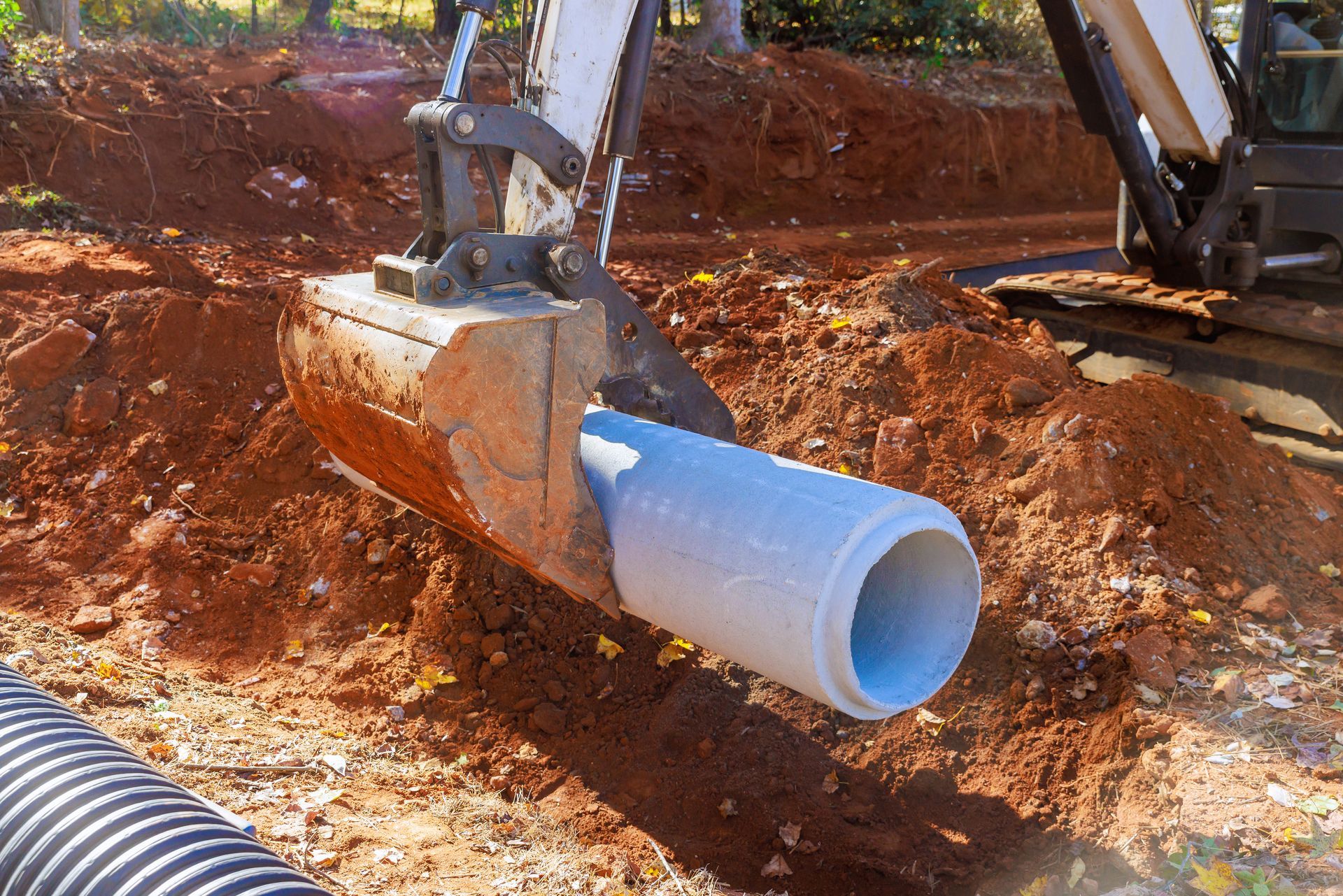
3. Trench excavation to the required grade and depth. Slope is everything on a gravity sewer lateral. A pipe laid at the wrong pitch can't move solids to the main. The result is blockage, backup, and a trench that has to be opened again. We excavate to the grade specified by the sewer authority and check it before pipe goes in.
4. PVC SDR-35 pipe installation at the slope specified by the local sewer authority. Correct pipe material and proper bedding prevent deflection under load and joint failure over time. We use SDR-35 PVC, bed it to spec, and install every joint to the manufacturer's requirements. A lateral that deflects or separates underground creates a slow-leak problem that's expensive to diagnose and worse to repair.
5. Physical connection at the main. The tie-in at the sewer main is where infiltration and inflow problems start if the connection isn't made correctly. A loose saddle, an improperly sealed joint, or a misaligned tap introduces groundwater into the public collection system, which violates sewer district requirements and exposes the property owner to liability.
6. Backfill and compaction in lifts to surface grade. We backfill the trench in controlled lifts and compact each layer to the required density. Under-compacted backfill settles. When it settles under pavement or a footpath, the surface cracks and drops, which triggers an additional repair order and another round of permit fees.
7. Final inspection by the sewer authority. Passing the final inspection on the first visit keeps the project on schedule and keeps the property on track for occupancy or use. We coordinate the inspection request, are on site for the walk, and address any observation from the inspector before we demobilize.
What Drives the Cost of a Sewer Lateral Connection in Shasta County
No two sewer lateral jobs cost the same. The variables that affect price are the same ones that affect project risk if they're not assessed correctly before work begins. A number quoted over the phone without a site visit isn't a price — it's a guess that shifts cost onto you when reality doesn't match the assumption. Here's what we're evaluating when we walk your site.
- Distance from the structure to the sewer main. Longer runs mean more trench, more pipe, and more compaction passes. A 200-foot run is a fundamentally different scope from a 40-foot run — more materials, more equipment time, and more surface to restore.
- Soil conditions. Rock, decomposed granite, and expansive clay common across Shasta County all require different equipment and more time than standard loam. This is the single most unpredictable variable until we're on site and can see what's actually in the ground.
- Depth of the existing main. A main buried at 12 feet requires a different trench profile than one at 5 feet, with direct implications for shoring requirements, equipment selection, and inspection timeline.
- Road or driveway cutting requirements. When the trench path crosses asphalt or concrete, the job picks up cut permits, saw-cut fees, and surface restoration costs. It also adds scheduling complexity because the road authority and the sewer district both have to sign off.
- Permit and inspection fees from the local sewer district. Fees vary by jurisdiction and connection type. We identify the applicable fees before submitting the application so there are no surprise invoices from the district after work is underway.
- Adjacent utilities in the trench path. A lateral that crosses a gas main, water line, or electrical conduit requires 811 locating before the dig, hand excavation near the conflict zone, and additional coordination time with the utility operators. Cutting an unlocated utility stops the job and creates liability that no one on the project wants.
These variables are why a sewer lateral quote must come from a contractor who has walked your site. A contractor guessing over the phone isn't protecting your project — they're protecting their schedule.
Sewer Lateral Connection Questions Answered
How long does a sewer lateral connection take in Shasta County?
Most residential sewer lateral connections in Shasta County take two to four days from permit approval through final inspection. Permit processing time is the variable that most affects scheduling — we file the application and coordinate with the sewer district on your behalf to move that step forward as quickly as the agency allows.Do I need a permit to connect to the city sewer in Anderson or Redding?
Yes. A permit from the local sewer authority is required before any sewer lateral work begins in Anderson, Redding, and every municipality in Shasta County. Lee One Construction handles the permit application, sewer district coordination, and inspection scheduling so you don't have to manage those conversations yourself.When is a property required to abandon its septic system and connect to city sewer?
In California, a property within a certain distance of an operational municipal sewer main may be required to connect when the septic system fails or when the property changes use. The specific trigger varies by local ordinance and sewer district rules. We assess your situation and advise you on what your jurisdiction requires before any work begins.What does road restoration look like after a sewer lateral connection that crosses pavement?
When the lateral trench crosses an asphalt or concrete surface, we backfill and compact the trench in lifts to the required density, then restore the surface to match the surrounding grade. The specific finish — cold patch, hot mix, or full replacement panel — is determined by the permit conditions and sewer district requirements for that jurisdiction.
Licensed Sewer Lateral Connection Across Northern California
Lee One Construction holds CSLB license #1063228 and has connected residential and commercial properties to municipal sewer mains across Shasta County and the wider Northern California region for 25 years. We handle every phase of the project — permit application, excavation, pipe installation, backfill, and final inspection — so you deal with one contractor from start to finish. We're available 24 hours a day, seven days a week, including weekends.
CSLB #1063228 · 17255 Olinda Road, Anderson, CA 96007